Following up on my previous takes on OD&D and wargaming.
Last year I started a new campaign of OD&D, but with one small catch. Rather than approaching it as I would with a B/X campaign or any other "typical" setup, I've been using it as a supplement of Chainmail. Perhaps it would be more appropriate to say that I've been running a Chainmail campaign using the fantastic medieval supplement called Original Dungeon & Dragons.
What does this mean? Well, it means that we are using Chainmail as the base of our rules for things such as weapons, procedure, morale, weather, dueling, sieges, and more. And then we're looking to things such as classes and dungeons and wilderness an addition rather than the other way around. I find that it makes quite an interesting mix-up compared to, say, playing OD&D as a straight adventure game. Perhaps it is a similar destination, but the journey has been quite fun.
"Individual scale wargame" is a good term for the type of play that we go on about!
Credit to Melancholies and Mirth for planting that term in my mind!
It's really got me thinking about how elegant of a setup it all is. Here's you have a wargame so distanced from the concerns of any individual character, more concerned with the routing of armies and battlefield tactics. Only great heroes or monsters are singled out. Now add in some slight nuance such as experience (and therefore personal advancement), hit points (rather than hits), and concerning yourself with the fate of a singular character (rather than scores of 1:20 figures). We have some additional stats for them that tell us a bit more about the nature of these individuals (and may have a small mechanical impact here and there). Classes let us have some mechanical guidelines for some classic character genres and we are off to the races here.
From here, it's all the usual action and reaction, coming back to this rule baseline when a conversation is insufficient or the need arises. It lets one flow rather fluidly in terms of setting stakes from chases in the shadowed depths of the underworld, to great raids on rival bands, to grand sieges on the ramparts of some forgotten fortress. And just as easily one can handle matters of exploration and intrigue that are so staple in the genre of adventure without being weighed down by overly mechanical concerns.
In terms of thinking, this feels a far cry from beginning at the usual starting point of adventure game and thinking of how to scale up to "domain play" or handle "mass combat" at the table. I find it quite interesting that so often later editions or other modern ttrpgs revisit wargames to "restore" some semblance of the above aspects but they don't quite hit the same marks in my opinion.
 |
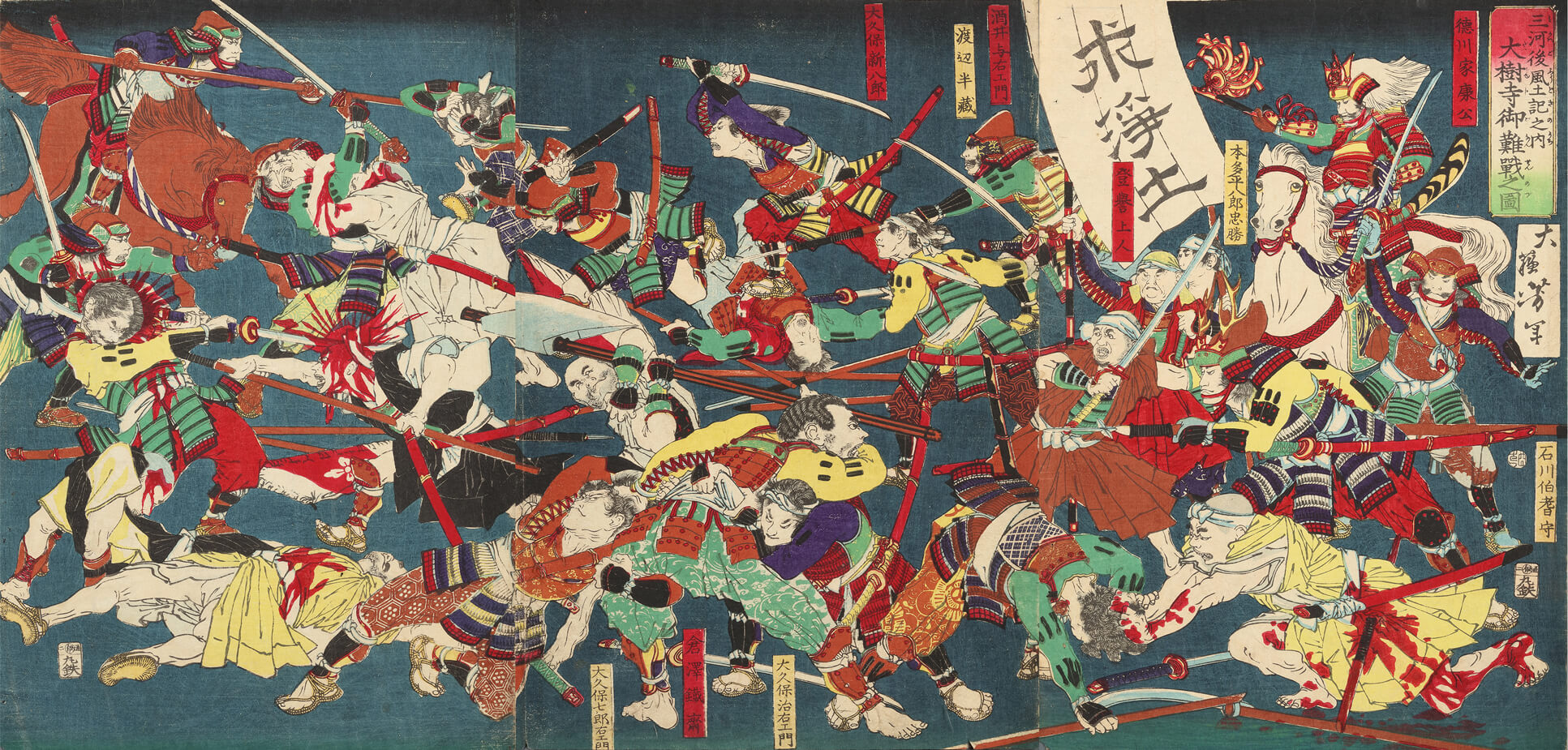
| "Mass Combat Fantasy Roleplaying" eh? |
Cooking up a Recipe
With this setup in mind, I've of course been starting to think on some other games that have given me this impression before. Things like the first edition of Warhammer Fantasy Battles (yes, before Warhammer Fantasy Roleplay 1e) or the good ol' Rogue Trader. Games where the divide between rpg and wargame was explicitly blurred and expected to be crossed when creating interesting scenarios to play in. Where it wasn't just a match of two armies with 500 points, but an overall style not entirely dissimilar from what you'd expect from playing an rpg with a referee.
Perhaps by looking at how OD&D was mapped to Chainmail and applying the concept to some other wargames I enjoy, something neat can come about: a change in perspective that, while perhaps minor in the grand scheme of things, has resulted in some very fun times at the table.
Let's look at what defines a single figure in Chainmail.
A figure of heavy foot has some statistics on movement, morale, an entry on the combat table to show how they perform against various categories of foes, and some special rules they are eligible to take advantage of (e.g. gaining an impetus die on the charge). Oh and a point value of course.
Relatively simple! On the scale of 1:20 that gives me a good idea of what my 100 strong group of mailed warriors could do.
This continues for the fantasy supplement as well with figures such as orcs and the like. The main area of expansion comes with special rules for figures, with fantasy figures building on the base categories of units with special abilities, capabilities vs other fantastic foes, drawbacks, and options such as magical spells.
But even still they remain relatively simple to sum up. Take a fearsome giant for example:
GIANT
POINT VALUE: 50
ALIGN: NEUTRAL/CHAOS
NOTE:
	- REQUIRE 12 CUMULATIVE HITS TO KILL.
	- ACT AS SMALL CATAPULTS.
		- 20" RANGE.
		- NO MIN RANGE.
		- CAN MOVE ON TURN IF NOT THROWING.
	- NEVER CHECK MORALE.
ATTACK AS: 12 HEAVY FOOT
DEFEND AS: 12 HEAVY FOOT
FANTASY COMBAT TABLE: AS GIANT
MOVE: 12" CHARGE: 18"
Squint and you can practically see the information for 12 HD giants so common in old school bestiaries (although the terminology is a bit more Chainmail-esque).
So the OD&D translation simply goes:
- Hits to Hit Dice (and the more discrete Hit Points so hits aren't always death)
- Attack values changed from "men" to table entry based on level or HD.
- Defense values are taken as a type of Armour Class and separated from # of men.
- Movement kept the same (no mention of charging).
- Addition of numbers encountered, lairs, and treasure.
- Special abilities simply refer to Chainmail and/or are expanded and altered in the text.
This holds true on the end of player characters, with the important addition of advancement and stats.
- Player figures can improve and actively gain more abilities. An interesting thing to keep in mind when the LBBs encourage you to play as pretty much anything; starting weak and becoming strong.
- Players have stats that are largely exclusive to them. The classic six attributes help describe your character, set them apart from other 1st level folks, and give some minor bonuses or penalties. They don't really come up in regards for monsters in the like. No real point in trying to pin down the strength score of a dragon or something.
What to do with this?
My goal would be to have a very open and flowing game using some of my favorite wargames to engage in interesting play in a refreshing and free manner. Experiences more in the vein of the thinking adventures I've run using OD&D and Chainmail, and less in the vein of matched wargame play or the usual ttrpg. Something that is satisfying in this wonderful manner. Something that feels distinct from the industry's efforts to turn such things into modern ttrpgs and embraces the openness of the traditional wargame mindset.
I'll need to take what I've gleaned with this campaign and revisit some of the ideas I've had in the past such as HammerHack, Outlaw Merchant, and others.
In the meantime, if anyone has any suggestions for neat games that have come out in this vein. Space Weirdos or Forbbiden Psalm come to mind but that's just based on vibes.